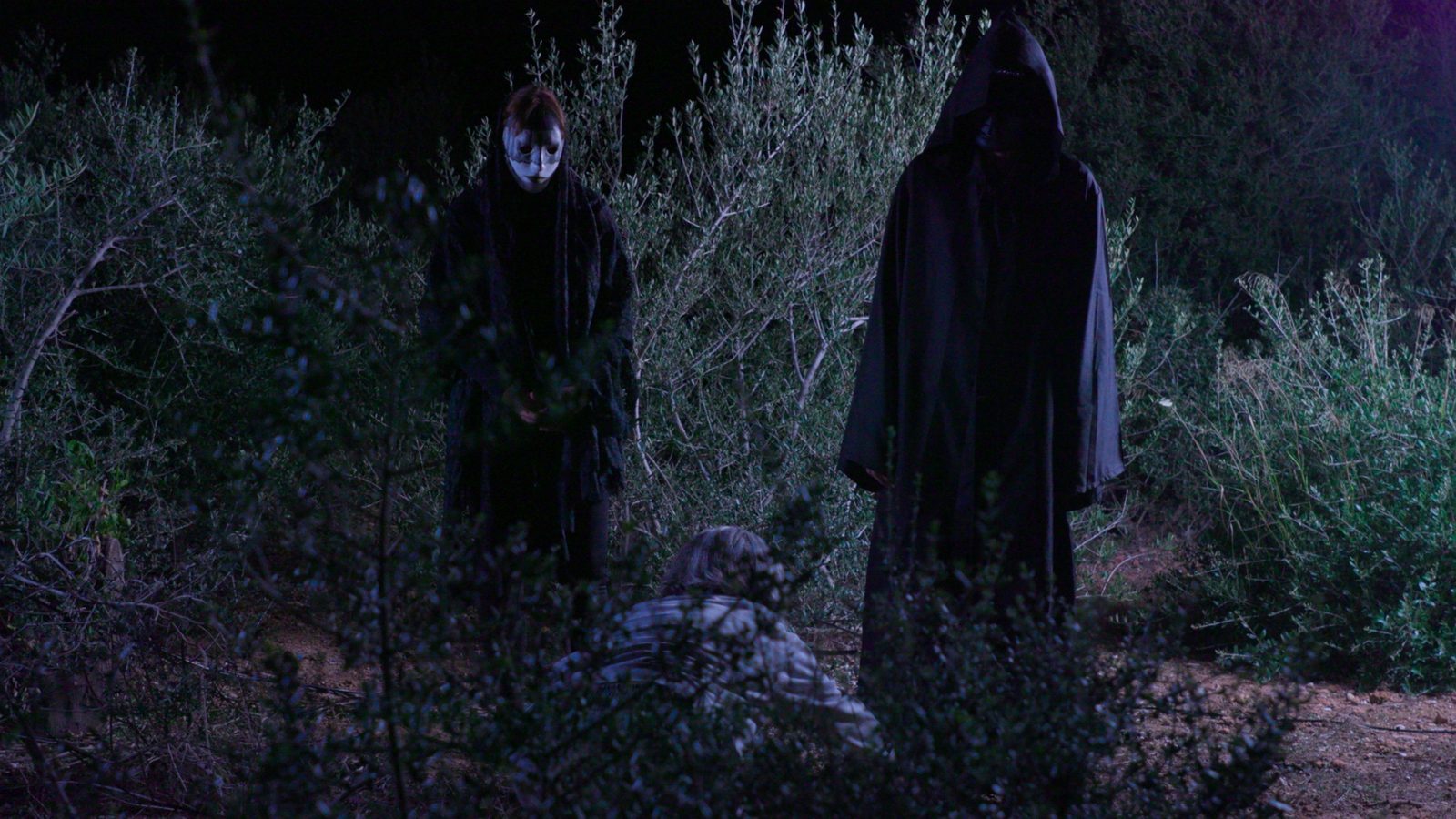
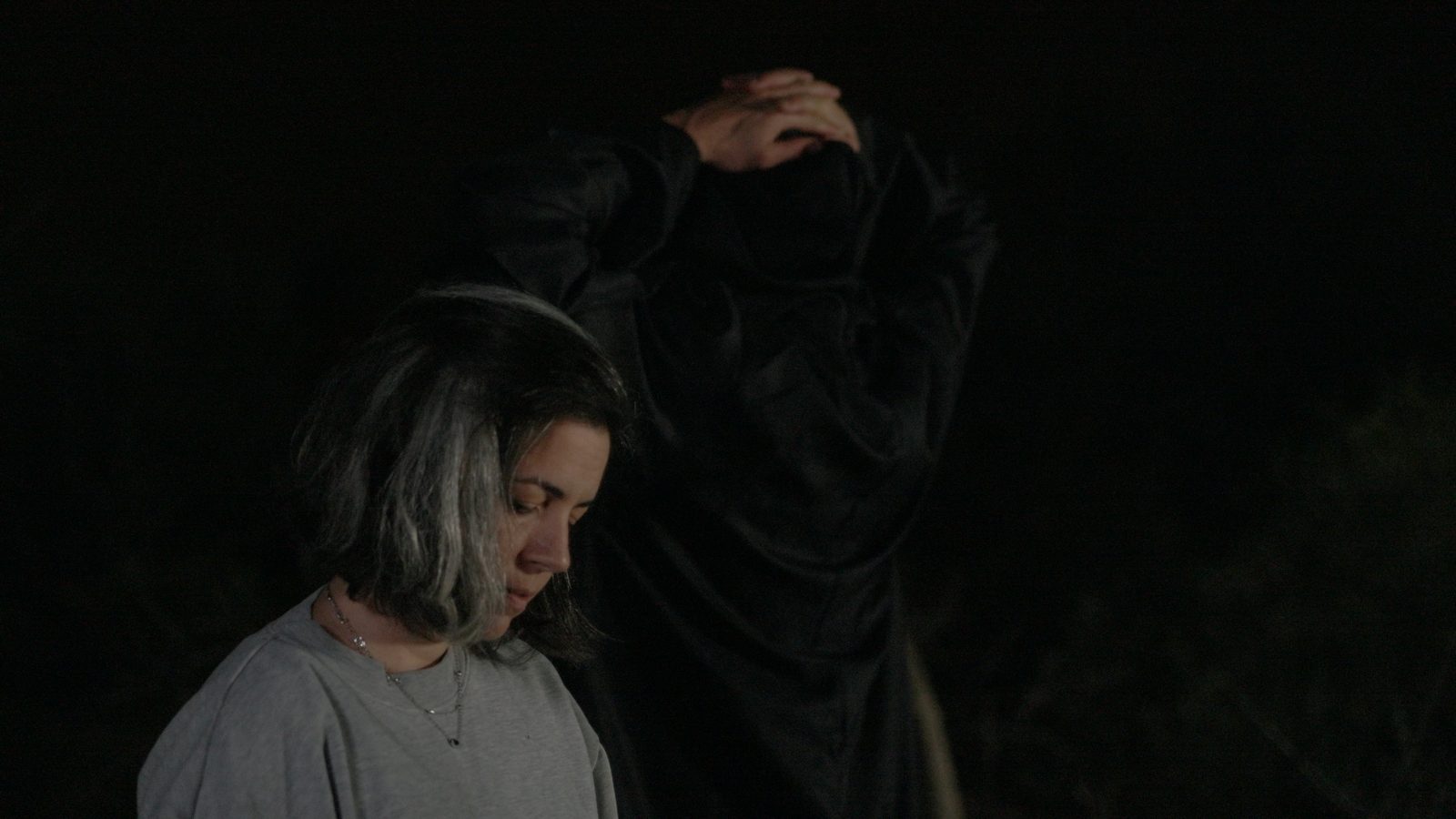
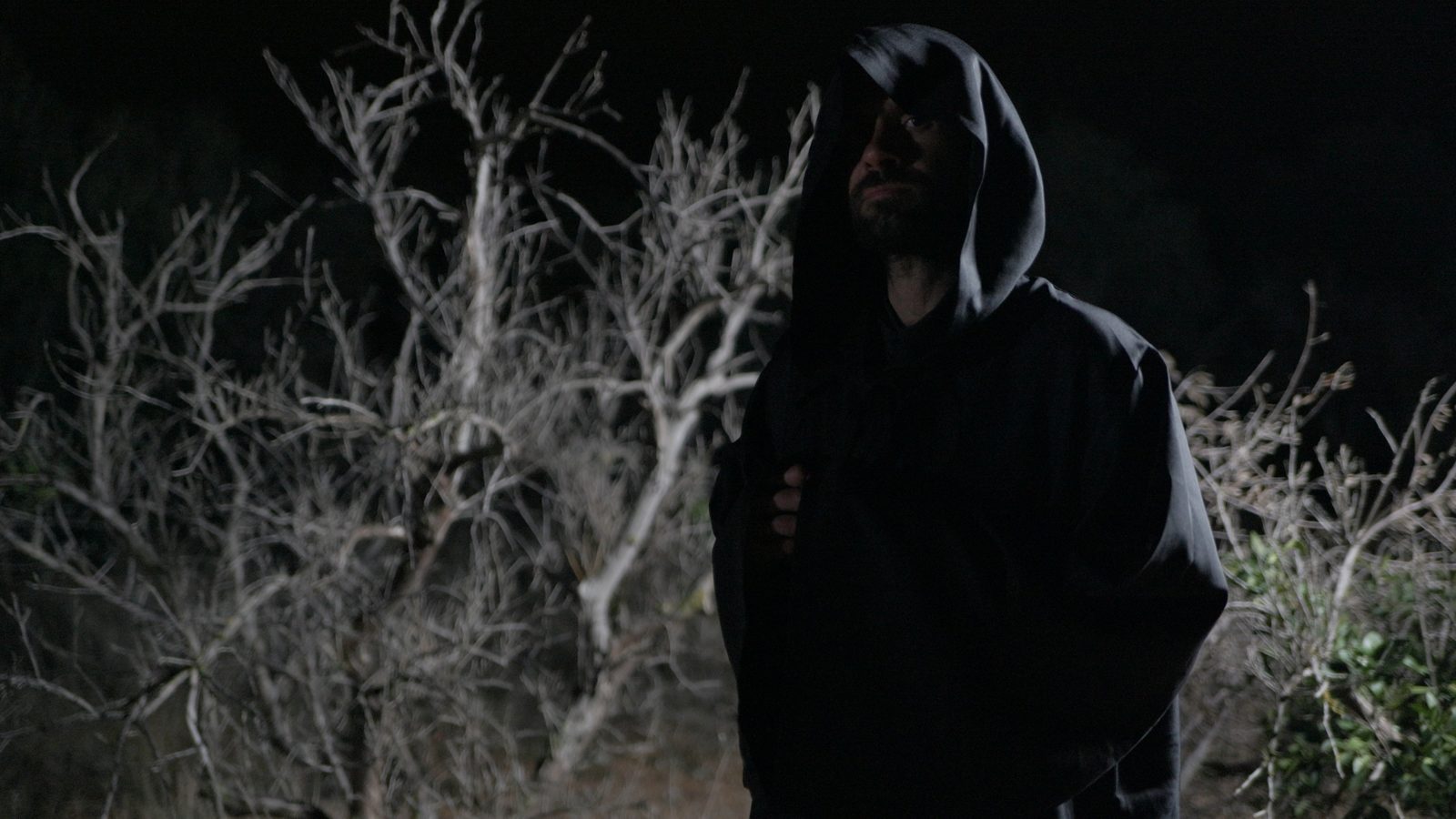
Suspended Time grew out of my interest in open forms of storytelling and in the possibility of discovering a film through its own process of creation. Rather than starting from a closed structure that the shoot would simply reproduce, the project was built through the coexistence of planning, improvisation and discovery, allowing the actors, the spaces and the situations to continually reshape its initial course.
This openness also shaped the way the images were made. During the shoot we worked with several cameras and long takes, giving the camera operators the freedom to move, change position, use the zoom and recompose the frame as the situations unfolded. The aim was not to execute a series of preconceived images, but to create the conditions for images we did not yet know to appear. The camera could observe, wait, react or discover something within the duration of the take itself.
The shoot also incorporated a system that allowed me to introduce new situations and stimuli while the cameras kept rolling. In this way, improvisation affected not only the performances but also the narrative and the visual form of the film itself. Over ten days, close to 38 hours of highly heterogeneous footage were generated. This volume was not the result of seeking conventional coverage or repeating pre-established shots, but of the will to keep the shoot open long enough for accidents, detours and discoveries to occur.
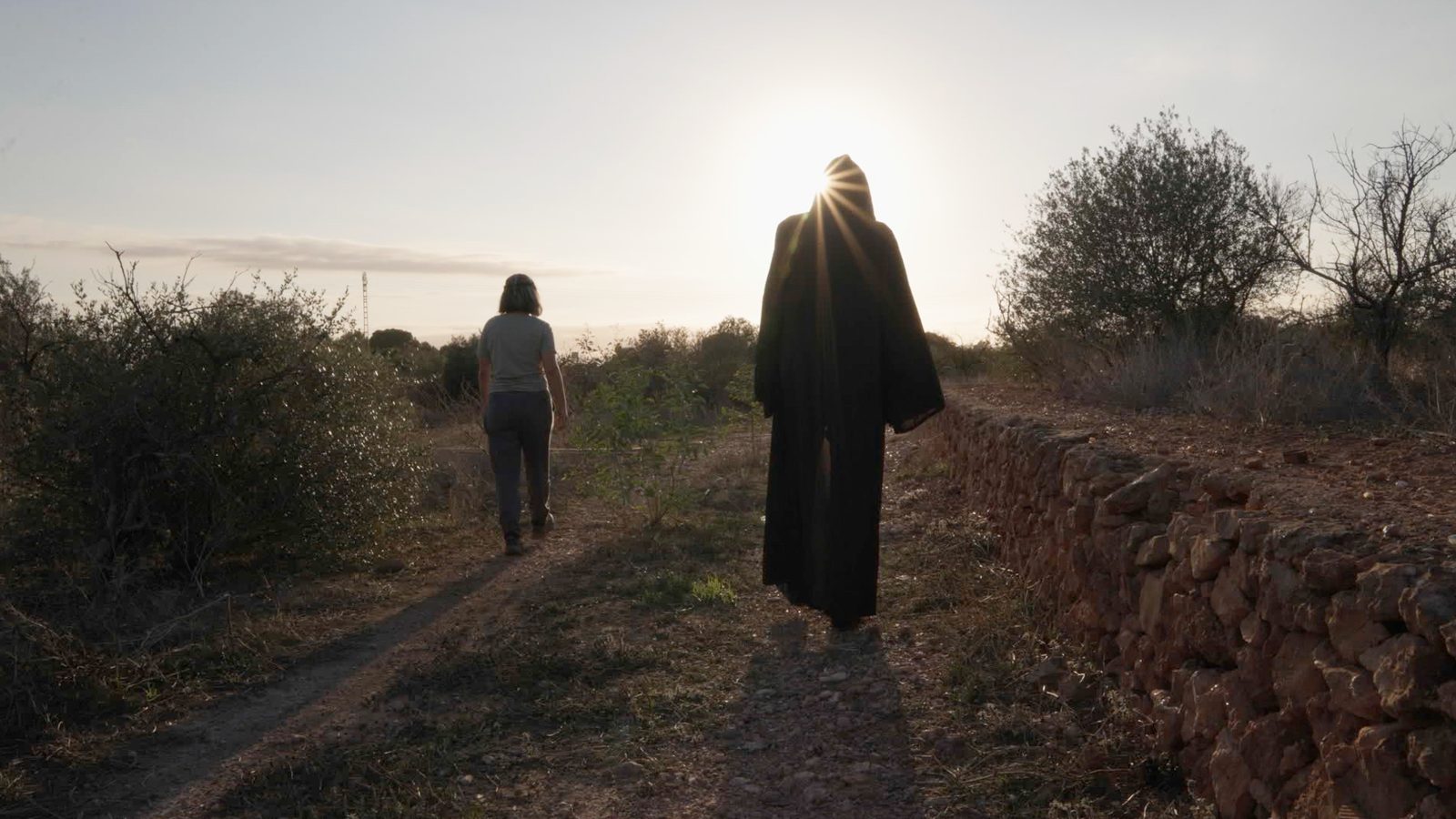
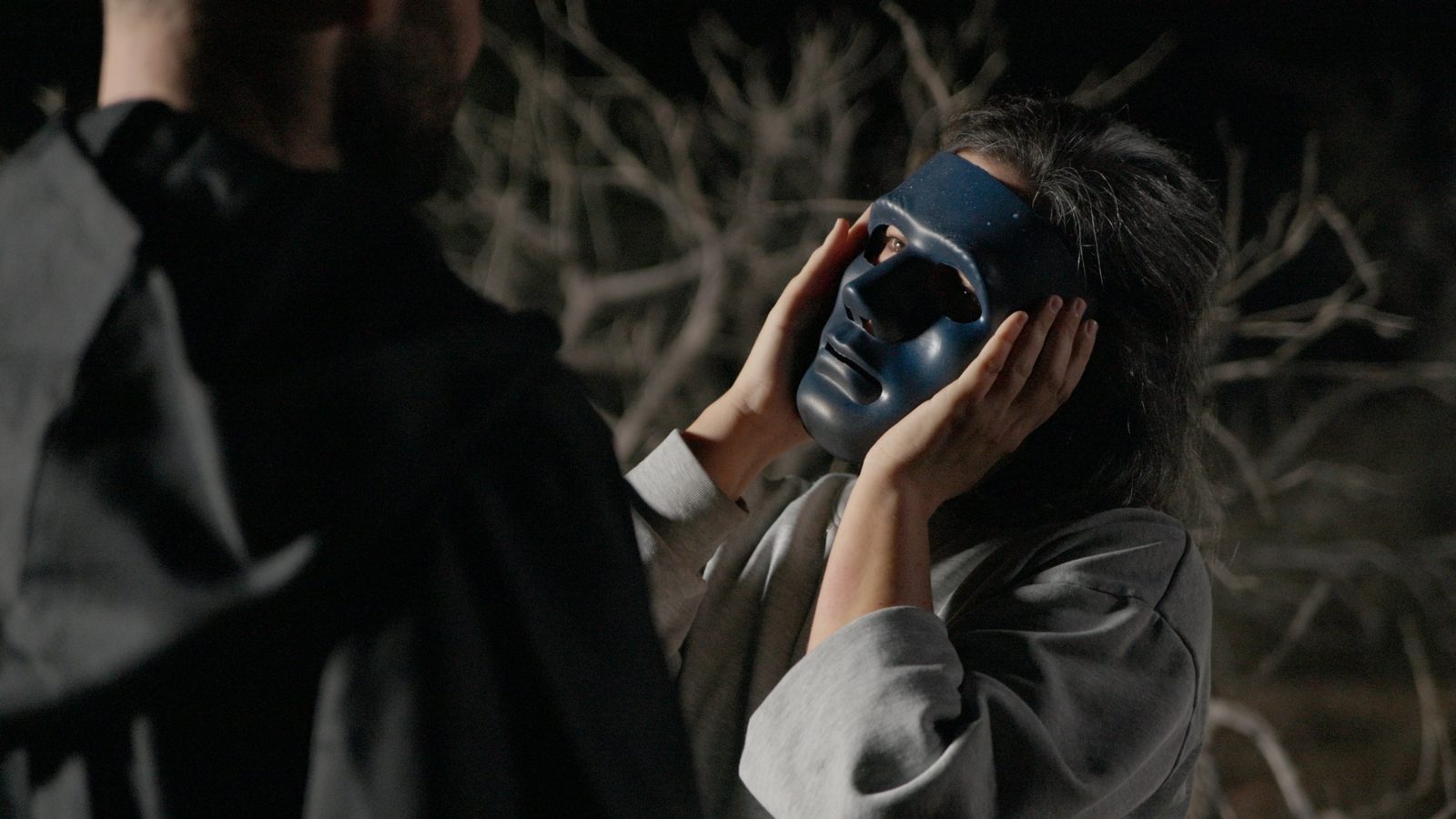
The film follows Paula as what once seemed ordinary begins to take on an increasingly strange quality. Encounters, conversations, presences and events that are hard to explain slowly transform her relationship with the world around her, until she becomes the place where something unknown seems to be trying to manifest itself.
I am interested in a cinema where mystery does not function as a problem to be solved, but as an experience that can be inhabited. The rural landscape is not a mere setting, but a living space capable of intervening in what happens. As the film unfolds, the boundaries between presence, memory, imagination and reality become more porous, allowing different interpretations to coexist without any one imposing itself on the others.
Editing thus became a true stage of writing. Faced with abundant and heterogeneous material, the film could not simply reconstruct a previously fixed structure: it was necessary to discover relationships, durations, correspondences and paths that had not always been imagined during the shoot. Editing allowed the chance accumulated during filming to finally find a form.
My intention has not been to build an explanation of the mystery, but to approach it through observation, duration, uncertainty and the sensory experience of time. I understand the shoot as a space where a film can still transform itself, and where reality need not merely confirm what had been imagined before the camera was turned on.
— Nacho di Coro